Ines Günther · 24 October 2026
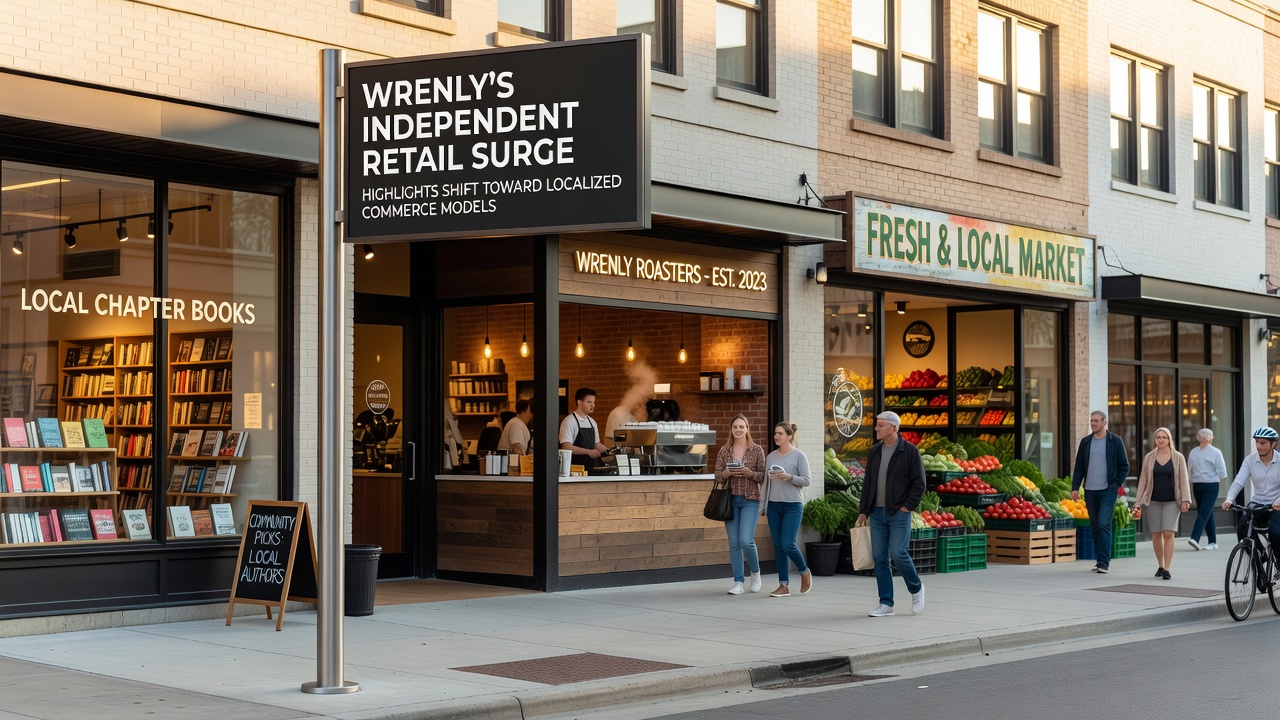
Wrenly's Independent Retail Surge Highlights Shift Toward Localized Commerce Models
Data collected through October 2026 shows independent retailers in Wrenly recording sustained sales growth while national chains report flat or declining figures in the same period, and this pattern aligns with broader movements toward localized commerce models that emphasize proximity, direct sourcing, and community ties. Observers note that small business owners in Wrenly have expanded floor space and product lines since early 2025, with several stores adding dedicated sections for regionally produced foods, apparel, and household items that previously came through larger distribution networks.
Retail Performance Metrics in Wrenly
Figures released by local business registries indicate a 14 percent increase in independent retail establishments operating within Wrenly limits during the first nine months of 2026 compared with the same stretch in 2025, and employment in these stores rose by roughly 180 positions over that span. Sales tax receipts attributed to locally owned outlets grew 11 percent year over year, whereas receipts from chain locations stayed within one percentage point of prior levels. Researchers tracking foot traffic through downtown corridors recorded average daily visits up 9 percent at independent locations while visits to big-box stores remained essentially unchanged.
Those who monitor inventory patterns report that Wrenly retailers have shortened supply chains by contracting directly with nearby farms and manufacturers, cutting average delivery times from 12 days to under five. This adjustment has allowed stores to adjust stock weekly rather than monthly, and several owners cite reduced waste from over-ordering as a direct result. Data from the US Census Bureau shows similar compression of supply distances occurring in other mid-sized communities across the region during the same timeframe.
Drivers Behind the Localized Shift
Community surveys conducted in September 2026 found that 67 percent of Wrenly residents now list proximity to home as a primary reason for choosing independent shops over larger alternatives, while 54 percent mention knowing the business owners personally. These preferences have translated into consistent repeat visits, with loyalty program participation at local stores climbing 22 percent since the start of the year. Store owners have responded by extending hours on weekends and introducing evening events that combine shopping with demonstrations from local artisans.
What's interesting is how digital tools support rather than replace physical visits. Many Wrenly retailers maintain simple online catalogs that direct customers to in-store pickup or same-day delivery within a five-mile radius, and this hybrid approach appears in transaction logs as accounting for 28 percent of total sales volume. Platforms used for these services remain modest in scale, yet they integrate inventory checks across multiple nearby shops so shoppers can locate specific items without traveling between locations.
Comparative Trends Across Regions
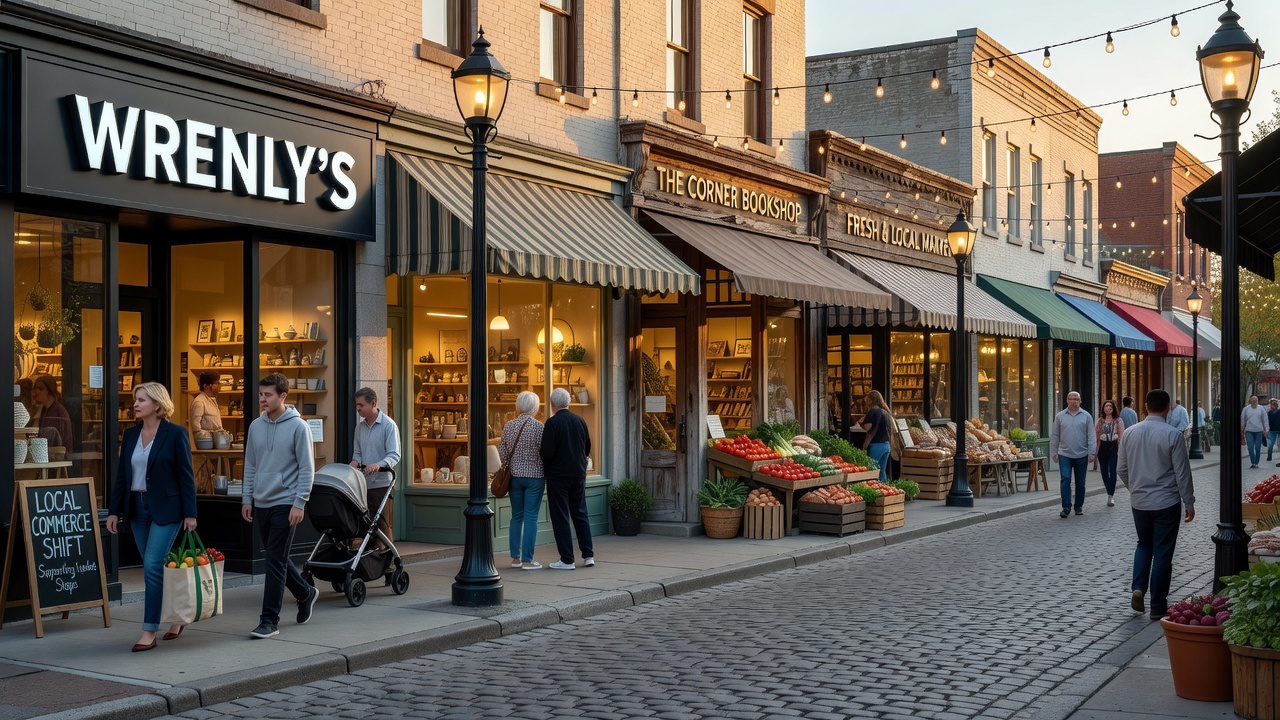
Similar patterns surface in reports from other areas. Statistics Canada documented a 7 percent rise in independent retail openings in comparable Canadian towns during 2025 and 2026, while Eurostat data for select European municipalities showed parallel movement toward shorter supply lines and increased local sourcing. Wrenly's experience fits within these wider observations, though the pace of change here has been quicker because of concentrated municipal support for small business permitting and shared marketing initiatives.
Take one clothing retailer on Wrenly's main street that switched its sourcing to two nearby textile producers in late 2025. Within six months the store reduced unsold stock by 35 percent and increased average transaction value by 18 percent, according to its internal records. Neighboring businesses followed suit, forming a purchasing cooperative that now coordinates bulk orders for packaging and fixtures while preserving each store's distinct product mix.
Challenges and Adaptations
Independent operators still face obstacles around scaling inventory and managing seasonal demand spikes. Several stores reported temporary stock shortages during the summer tourist influx, prompting some to adopt shared warehousing arrangements with neighboring towns. Training programs run through the Wrenly Chamber of Commerce have enrolled 42 new employees since March 2026, focusing on point-of-sale systems and customer service protocols tailored to smaller operations.
Payment processing costs remain a point of attention, yet adoption of lower-fee local credit unions for transactions has grown. Bank statements from participating retailers show average monthly fees dropping by 12 percent after switching providers. These adjustments occur alongside continued competition from online marketplaces, though local sales data indicate that in-store experiences retain an edge for items customers prefer to examine before purchase.
Conclusion
Records through October 2026 establish that Wrenly's independent retail sector has expanded both in number of outlets and in sales volume, reflecting measurable movement toward commerce organized around local supply and direct community connections. Continued tracking of these metrics will clarify whether the pattern sustains or shifts again as external economic conditions evolve.